


CM Culture Displays
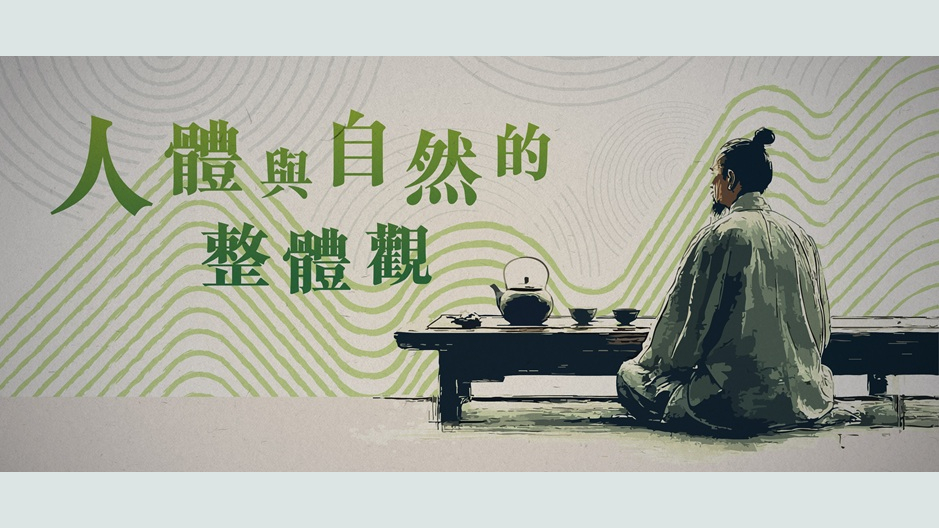
The Unity of Body and Nature
The principle of san yin zhi yi (treatment according to the three factors: time, place and person) originates from Huangdi Neijing (Yellow Emperor’s Inner Canon) and is an important therapeutic principle in traditional Chinese medicine (TCM). It emphasises that, in the diagnosis and treatment of disease, full consideration must be given to three factors: time (in accordance with season), place (in accordance with locality), and person (in accordance with the individual). On this basis, an individualised treatment plan is formulated.
Treatment according to time emphasise adjusting therapeutic strategies in response to seasonal changes and climatic variations. For example, in spring the liver should be nourished; in summer the heart should be nourished; in autumn the lung should be moistened; and in winter the kidney should be protected. This reflects the TCM principle of respecting and adapting to the laws of nature.
Treatment according to place refers to selecting appropriate therapeutic approaches according to geographical and environmental characteristics. For instance, in the humid coastal regions of the south, dampness is relatively prevalent and attention should be paid to the potential accumulation of dampness pathogen. In contrast, in the dry northern regions, greater emphasis should be placed on protecting and nourishing body fluids.
Treatment according to person highlights the importance of individual differences. Therapeutic strategies should be formulated according to each person’s age, gender, constitution and lifestyle, so as to establish the most appropriate personalised treatment plan and achieve optimal therapeutic effect.
The core of san yin zhi yi lies in recognising that the occurrence and development of disease constitute a complex process. Only by integrating the three dimensions of time, place and person, and conducting a comprehensive analysis, can a treatment decision be made that best corresponds to the patient’s current condition. This demonstrates the characteristic emphasis of TCM on individualised treatment within a holistic framework.
The above translation was supervised by Prof. Janice PAN. The content was translated by Ms. May NG, and edited by Prof. Janice PAN and Dr. Robert TSATURYAN, with Mr. Sing Leung CHAN, Chinese Medicine Practitioner, serving as consultant.
