


CM Culture Displays
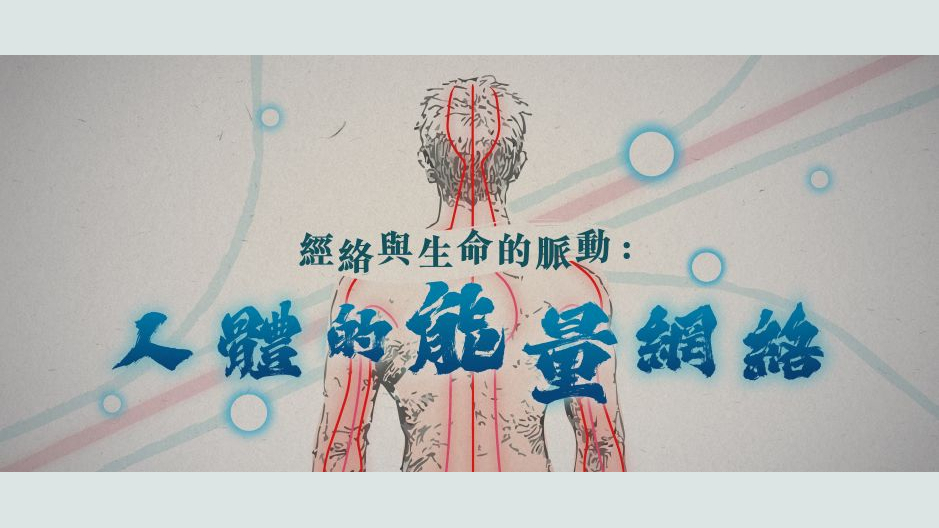
Meridians and the Pulse of Life: The Body’s Energy Network
Meridian theory is a vital component of the traditional Chinese medicine (TCM) theoretical system. As recorded in the chapter Jingmai (The Meridians) of Lingshu (Spiritual Pivot): “The meridians determine life and death, address the hundred diseases, and regulate deficiency and excess — they must not be obstructed.”
Meridian theory holds that the zang-fu organs of the human body are interconnected through the meridians and collaterals, collectively sustaining life activities. As stated in the Huangdi Neijing (Yellow Emperor’s Inner Canon): “When the five zang organs are afflicted, the [pathology] should be reflected in the twelve yuan-source [points].” The coordinated unity of the zang-fu organs, physical structures, and sensory orifices is primarily achieved through the communicative function of the meridians and collaterals.
The meridians, as the principal channels for the circulation of qi and blood, transport qi and blood throughout the body. The collaterals, as branches of the meridians, serve to distribute and permeate the qi and blood of the meridians to the zang-fu organs, physical structures, sensory orifices, and the meridian system itself.
The meridian system is a critically important concept in TCM theory. It links all of the body’s zang-fu organs with the limbs and sensory organs, and as the channels for qi and blood circulation, it plays a vital role in maintaining health. The flow within the meridians represents not merely the physical movement of qi and blood, but also the dynamic interaction between body, mind, and the natural environment.
Each meridian has its unique function and direction. For example, the lung meridian of hand-Taiyin manifests is primarily responsible for the circulation of qi and blood to the lung, while the stomach meridian of foot-Yangming manifests is closely related to the digestive system. The degree of patency of the meridians directly affects the supply of qi and blood, and in turn determines whether each zang-fu organ functions normally. When the meridians are obstructed or blocked, the body may develop corresponding diseases, manifesting as pain, numbness, weakness, and other symptoms.
The acupoints along the meridians are like nodes on this vast network, each corresponding to specific parts and functions of the body. These acupoints enable treatment methods such as acupuncture and moxibustion, and massage, to precisely unblock and regulate the meridians, promote the flow of qi and blood, and improve health. For example, the Zusanli acupoint can enhance the digestive function of the spleen and stomach, while the Hegu acupoint is notably effective in relieving headaches and facial muscle tension.
The artistic representation of the meridians allows people to understand this complex physiological process in a more tangible way. Using the metaphor of rivers and lakes, the operation of the meridian system is like water flowing through channels, pervading the entire body and nourishing every part.
Through the artistic presentation, the audience can more vividly observe and appreciate the beauty of the meridian system.
The above translation was supervised by Prof. Janice PAN. The content was translated by Ms. Janet YU, and edited by Prof. Janice PAN and Dr. Robert TSATURYAN, with Mr. Sing Leung CHAN, Chinese Medicine Practitioner, serving as consultant.
