


CM Culture Displays
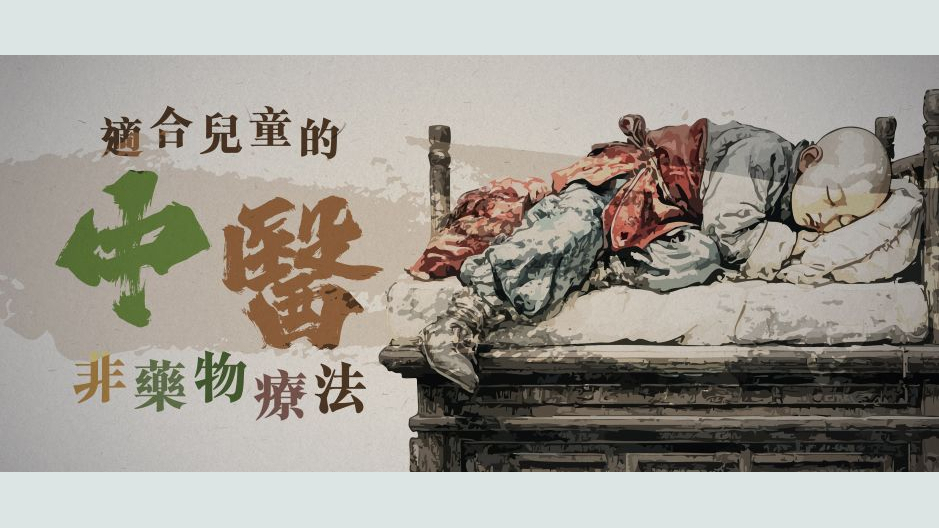
Paediatric Non-Pharmacological Therapies in Chinese Medicine
Some children are afraid of the bitter taste of medicines, and dread the pain of acupuncture and moxibustion. The following are three non-pharmacological therapies worth considering:
Paediatric Tuina: Based on the zang-fu organ theory of traditional Chinese medicine (TCM), paediatric tuina uses specific manipulation techniques to regulate the zang-fu organs, thereby achieving therapeutic and health-preserving effects. For example, nieji fa (spine-pinching manipulation) is a commonly used paediatric tuina technique that massages along the Du meridian (governor vessel) and the urinary bladder meridian to improve zang-fu organ function and prevent disease. Mofu fa (abdominal massage) is another frequently used technique in paediatric tuina. It involves rhythmically massaging the abdomen, the area where qi and blood are generated, to strengthen the functions of the spleen and stomach and to prevent and treat spleen and stomach disorders.
Food Therapy: TCM emphasises the principle of “yao shi tong yuan (medicine and food share the same origin)”. Every food possesses different properties, and classical texts have recorded numerous foods with regulatory and therapeutic effects on the body. By selecting appropriate diets according to a child’s constitution and the climate, for instance, serving warm and hot foods for children with a deficiency-cold constitution or during cold weather; using Yiyiren (Coix Seed, Semen Coicis) and other ingredients that promote water metabolism and eliminate dampness during hot and humid conditions; and administering Shanyao (Chinese Yam Rhizome, Rhizoma Dioscoreae), Lianzi (Lotus Seed, Semen Nelumbinis), and Qianshi (Gorgon Fruit Seed, Semen Euryales) for children with spleen and kidney deficiency under the guidance of a TCM practitioner, children can improve their constitution through palatable means.
Acupoint Application: This is an external treatment method in TCM. Chinese medicinals are formulated into plasters and applied to specific acupoints on the child’s body. Through the penetration of the medicine and the action of the acupoints, this method regulates the functions of the zang-fu organs, achieving the purposes of treating disease and promoting health. For instance, tian jiu (blistering moxibustion) therapy, which can be performed during the san fu tian (the three hottest periods of summer), is a worthwhile non-oral approach for improving deficiency-cold conditions.
The above translation was supervised by Prof. Janice PAN. The content was translated by Ms. Emily SIU, and edited by Prof. Janice PAN and Dr. Robert TSATURYAN, with Mr. Sing Leung CHAN, Chinese Medicine Practitioner, serving as consultant.
