


CM Culture Displays
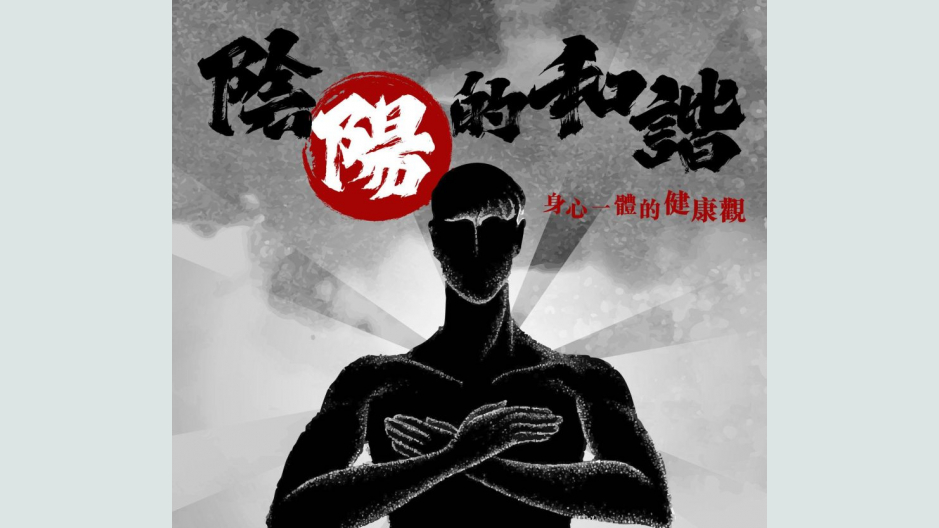
Yin and Yang in Equilibrium: Bringing One’s Spirit and Mind in Order
Traditional Chinese medicine (TCM) emphasises that human health is the result of yin-yang harmony, and that this harmony extends beyond the physiological level to encompass the stability of the spirit and emotions.
Yin pertains to stillness, governing inner cultivation and internal storage; yang pertains to movement, governing propulsion and the release of energy. The foundation of mental health lies in the complementary interplay of yin and yang. When yin and yang are in harmony, we experience inner tranquillity and fulfilment. When they fall out of balance, anxiety, irritability, or excessive fatigue may arise.
Modern people live at a fast pace, with heavy mental stress and a habit of staying up late for work or entertainment. Prolonged states of tension and anxiety tend to damage yin, causing yang qi to become relatively hyperactive. In mild cases, this manifests as irritability and insomnia; in severe cases, it may even lead to mania and impulsiveness. Conversely, some individuals work long hours in offices, often from dawn to dusk, without sufficient exposure to sunlight. In such cases, yang qi may become easily depleted. A pattern of yang deficiency with relative exuberance of yin may manifest as aversion to cold, lack of vitality, somnolence, emotional constraint, and a tendency to fatigue. When both yin and yang are damaged, one may further experience sluggish thinking and memory decline.
Therefore, TCM places great importance on the regulation of daily life and emphasises the significance of emotional management. Sunbathing and physical exercise can stimulate the flow of yang qi, while meditative and calming activities such as contemplation and calligraphy can settle the mind and release one from states of tension. At a higher level, yin-yang harmony also involves learning to coexist with the natural environment, for example, adjusting one’s physical state in accordance with the rhythms of the four seasons, and allowing the spirit to become one with nature.
“Yin ping yang mi, jingshen nai zhi (when yin is balanced and yang is secured, the spirit is preserved)” reminds us that true health lies not merely in the absence of external disease, but in inner peace and stability. Only by maintaining the yin-yang balance of both body and spirit can one achieve the state of health in which body and mind are united. Through understanding the philosophy of yin-yang, we can explore more deeply the way of health that integrates body and mind.
The above translation was supervised by Prof. Janice PAN. The content was translated by Ms. Janet YU, and edited by Prof. Janice PAN and Dr. Robert TSATURYAN, with Mr. Sing Leung CHAN, Chinese Medicine Practitioner, serving as consultant.
