


CM Culture Displays
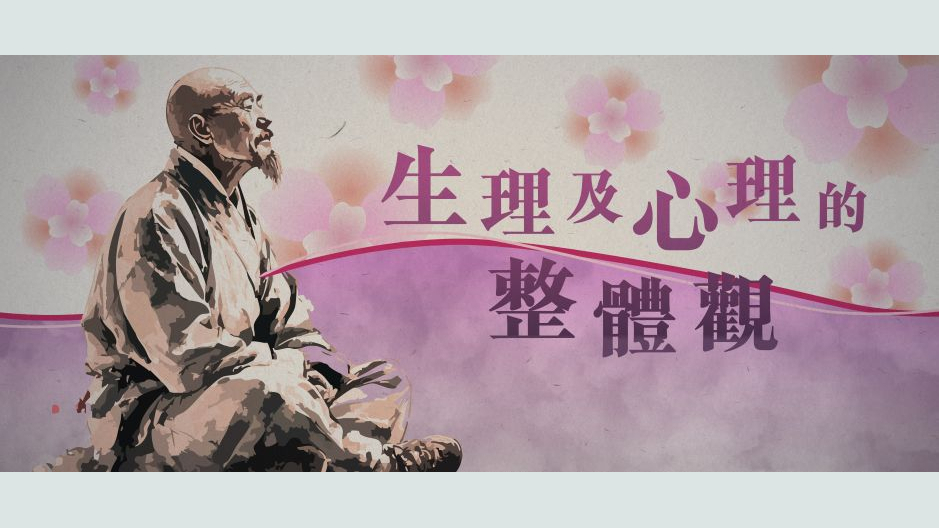
Integration of Body and Mind
Xingshen Lun (Doctrine of Form and Spirit) constitutes an important philosophical concept in ancient China and a core theory in traditional Chinese medicine (TCM). Xing (form) refers to the physical body, while shen (spirit) denotes mental and emotional activities. The ancients held that the physical body is the carrier upon which mental activities depend; at the same time, mental activities exert a governing influence over the body. Form and spirit are inseparable and mutually influential. Physical discomfort or impairment affects emotional states, while prolonged emotional disturbances may in turn impair the functions of the zang-fu (viscera and bowels).
TCM maintains that excessive or prolonged emotional stimulation disturbs the qi dynamic of the zang-fu, giving rise to specific pathological changes: anger causes qi to ascend; joy causes qi to relax; grief causes qi to dissipate; fear causes qi to descend; and overthinking causes qi to stagnate.
Persistent pain may lead to irritability or low mood. Deficiency of the spleen and stomach, with insufficiency in the generation of qi and blood, often results in lassitude of spirit and overthinking. Insufficiency of kidney qi may predispose an individual to fearfulness. Over time, this may develop into a vicious cycle of psychological and physiological imbalance. Therefore, in treatment, it is insufficient to focus solely on physical integrity; regulation of the mental and emotional state must also be considered in order to achieve harmony of form and spirit.
Furthermore, as human beings live within society, interactions with others influence the occurrence and development of disease. Prolonged social isolation and excessive loneliness may easily give rise to depressive moods, while interpersonal relationships may also generate anxiety. When large-scale natural disasters or social crises occur, collective psychological changes may arise within communities.
These examples illustrate the holistic understanding of the integration of physiological and psychological activities within the human body, as well as the unity between the individual and the social environment, within the theoretical framework of TCM.
The above translation was supervised by Prof. Janice PAN. The content was translated by Ms. May NG, and edited by Prof. Janice PAN and Dr. Robert TSATURYAN, with Mr. Sing Leung CHAN, Chinese Medicine Practitioner, serving as consultant.
